Քելիի չափանիշը և ռուլետկան
Քելիի չափանիշն առավելություն ունեցող խաղացողին ասում է, թե որքան գումար դնի։ Ռուլետկայի համար այն տալիս է հստակ պատասխան՝ ոչինչ։

Քելիի գումար = առավելություն / շանսեր։ Բացասական առավելության դեպքում բանաձևը տալիս է բացասական մաս, ինչը նշանակում է՝ խաղադրույք մի կատարեք։ Չափանիշն այնուամենայնիվ օգտակար է հասկանալու համար, թե ինչու էին շեղված անիվներով խաղացողներն իրենց խաղադրույքներն այդպես չափում, և ինչու բոլոր մյուսները պետք է գումարը չափեն ըստ բյուջեի։
Չափանիշը
John Kelly (1956) asked how a gambler with a known edge should size bets to maximize long-run growth of the bankrollֆինանսներԽաղային բյուջեԽաղի համար առանձնացված ամբողջ գումարը։ Խաղային բյուջեի կառավարումը որոշելն է, թե դրա որ մասը վտանգել մեկ խաղադրույքում և մեկ խաղաշրջանում։Կարդալ ամբողջը →. The answer, for a bet paying b to 1 with win probabilityմաթեմատիկաՀավանականությունԱրդյունքի հնարավորությունը՝ 0-ից 1 կամ 0%-ից 100%։ Մեկ թիվ՝ 1/37 = 2,70%։Կարդալ ամբողջը → p and loss probability q = 1 − p, is to stake the fraction f* = (bp − q) / b of the bankroll. Positive f* means bet that fraction; zero or negative means do not bet. Kelly worked at Bell Labs, and his paper, “A new interpretation of information rate”, set the problem in Claude Shannon’s theory of information: a gambler who gets tips over a noisy line, at fair odds, can grow the bankroll at best at the rate the line carries information. This is a growth objective under a probability model, not a promise to finish ahead after a particular number of bets. A spending limit, finite deadline or payoutֆինանսներՎճարումԱյն, ինչ վերադարձնում է շահած խաղադրույքը՝ նշված «X առ 1» ձևով՝ վերադարձված խաղադրույքի գումարից բացի։Կարդալ ամբողջը → cap changes the decision problem.
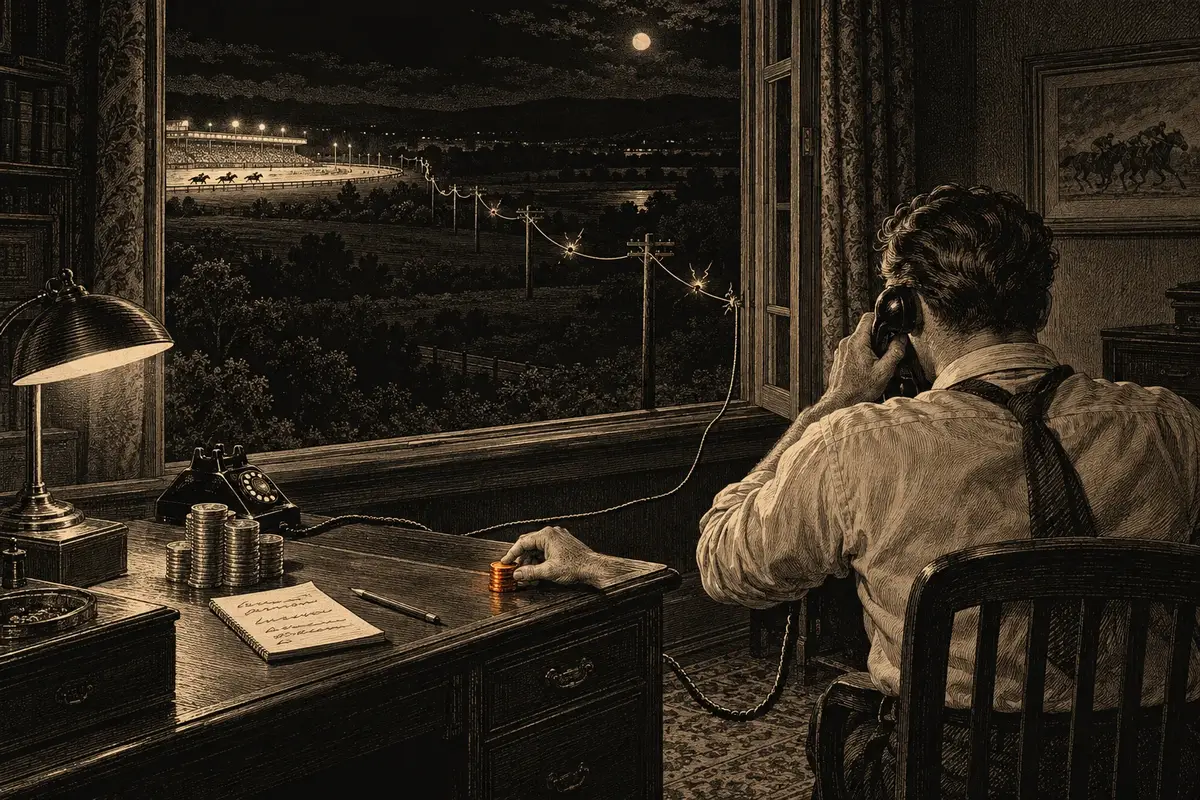
Քելիի չափանիշը ռուլետկայում
For redխաղադրույքԿարմիրՀավասար վճարով խաղադրույք 18 կարմիր թվերի վրա։ Ֆրանսերեն՝ rouge։Կարդալ ամբողջը →: b = 1, p = 18/37, q = 19/37; f* = (18/37 − 19/37)/1 = −1/37. For a straight upխաղադրույքՄեկ թվի խաղադրույքՄեկ թիվ, վճարում է 35:1։Կարդալ ամբողջը →: b = 35, p = 1/37, q = 36/37; f* = (35/37 − 36/37)/35 = −1/1295. Every standard bet gives a negative Kelly fraction, because every bet has a negative edge, and the growth-optimal stake is zero. Kelly betting on roulette is a formal way of saying what the house-edge page says: no positive stake maximizes expected logarithmic growth when the bet has negative expectation. A particular session can still end in profit. La partageկանոնLa partageՖրանսիական կանոն․ երբ դուրս է գալիս զրոն, հավասար վճարով խաղադրույքի գումարի կեսը վերադարձվում է։ Այդ խաղադրույքների վրա կազինոյի առավելությունը կիսով չափ իջնում է՝ մինչև 1,35%։Կարդալ ամբողջը → needs a separate three-outcome calculation: a win, a full loss or a half-loss on zeroանիվԶրոՄիակ կանաչ բջիջը, որը չի ծածկվում ոչ մի հավասար վճարով, դյուժինի կամ սյունակի խաղադրույքով․ կազինոյի առավելության աղբյուրը։ Նաև՝ մեկ զրո, 0։Կարդալ ամբողջը →. Its expected log growth also falls as the stake increases from zero.
| խաղադրույք | b | p | f* = (bp − q)/b | նշանակությունը |
|---|---|---|---|---|
| կարմիր, եվրոպական | 1 | 18/37 | −0,027 | խաղադրույք մի կատարեք |
| կարմիր, la partage | երեք ելք | 18/37՝ շահում․ 1/37՝ կես կորուստ | երկուական բանաձևը չի կիրառվում | աճի համար օպտիմալ գումարը՝ 0% |
| մեկ թվի խաղադրույք | 35 | 1/37 | −0,00077 | խաղադրույք մի կատարեք |
| մեկ թվի խաղադրույք 1/30 հաճախականությամբ բջջի վրա (շեղված) | 35 | 1/30 | +0,0057 | դրեք բյուջեի 0,57%-ը |
| մեկ թվի խաղադրույք 1/25 հաճախականությամբ բջջի վրա | 35 | 1/25 | +0,0126 | դրեք բյուջեի 1,26%-ը |
Որտեղ Քելին իսկապես կիրառելի էր
Suppose a pocketսարքավորումԲջիջՌոտորի 37 համարակալված բաժանմունքներից մեկը։ Նաև՝ խորշ, գավաթ։Կարդալ ամբողջը → really has a stable, known probability of 1 in 30 and pays 35 to 1. The Kelly fraction is 0.57%: about $57 from a $10,000 bankroll. Under independent spinsմաթեմատիկաԱնկախ պտույտներՅուրաքանչյուր պտույտ ունի նույն հավանականությունները՝ անկախ պատմությունից։ Այս կայքի յուրաքանչյուր հաշվարկի հիմքը։Կարդալ ամբողջը → and exact fractional staking, the geometric growth factor over 1,000 spins is about 1.7. Expected bankroll grows faster because rare large wins pull up the average. These are model calculations, not evidence that any named historical player used Kelly or achieved this result.
Բնորոշը և միջինը
The gap between the typical bankroll and the average one is wide. Take a pocket that hits 1 time in 25, a hypothetical edge of 44% per unitֆինանսներՄիավորԲազային խաղադրույքի գումարը, որով աշխատում է համակարգը կամ խաղացողը։ Պրոգրեսիաները նկարագրվում են միավորներով, որպեսզի կիրառելի լինեն ցանկացած սեղանի մոտ։Կարդալ ամբողջը → staked. Kelly stakes 1.26% of the bankroll on it. After 1,000 spins the typical bankroll has grown about 11.5 times, while the average, pulled up by a few very lucky runs, has grown about 249 times. Betting more than Kelly raises the average and lowers the typical result: at twice the Kelly stake the typical bankroll only doubles, and by two and a half times the Kelly stake it shrinks, although every bet still carries a 44% edge. In this example, half-Kelly retains about 78% of the expected log growth. This fraction depends on the probabilities and payout.
| գումարը՝ Քելիի գումարի նկատմամբ | գումարը՝ բյուջեի % | բնորոշ բյուջեն 1000 պտույտից հետո |
|---|---|---|
| ½ | 0,63% | × 6,7 |
| 1 | 1,26% | × 11,5 |
| 1½ | 1,89% | × 7,4 |
| 2 | 2,51% | × 2,2 |
| 2½ | 3,14% | × 0,38 |
| 3 | 3,77% | × 0,04 |
Երբ առավելությունը ենթադրություն է
Kelly uses the true probabilities, but a player usually has only estimates. Selecting the busiest pocket from a past record creates a selection problem: even a fair wheel has a busiest pocket. Its observed rate can overstate its future probability. Choosing the stake from that same record compounds the error. An independent follow-up sample helps test a proposed bias (see How to Detect Roulette Wheel Bias). Reducing the calculated fraction reduces exposure, but cannot turn a false edge into a real one.
Առավելություն ունեցող մարդիկ
Haghani and Dewey (2016) studied 61 participants given $25 and 30 minutes to bet on a simulated coin with a disclosed 60% chance of heads. The payout cap was $250; its value was revealed when a proposed winning bet would reach it. Their reported 21% success category included balances of at least $200, while the 28% “bust” category meant less than $2, not necessarily zero. Eighteen participants bet their entire balance on one flip. The uncapped Kelly fraction is 20%, but the cap and deadline change the optimization problem. The experiment illustrates how stake choices matter even with a known advantage; it does not establish one best strategy for every objective.
Ինչ օգտագործել փոխարենը
Առանց առավելության գումարի չափը բյուջեի հարց է, ոչ թե աճի․ գումար = այն, ինչ պատրաստ եք ծախսել մեկ պտույտին՝ ելնելով ժամային բյուջեից և սեղանի տեմպից (խաղային բյուջեի կառավարման էջ)։ Քելիի ներդրումը սովորական խաղացողի համար իր պատասխանի հստակությունն է՝ զրո։ Այն ամենը, ինչ դնում եք զրոյից ավելի, խաղի գինն է, որը դուք եք ընտրում, ոչ թե որևէ բանաձև է օպտիմալացնում։
Քելիի մասնակի կիրառման և «փողի կառավարման» մասին
Betting a fixed percentage of the current bankroll is proportional staking: the stake rises after wins and falls after losses. Flat bettingռազմավարությունՀաստատուն խաղադրույքԱմեն պտույտին նույն գումարի խաղադրույք։ Այն ելակետը, որի հետ համեմատվում է յուրաքանչյուր պրոգրեսիա։Կարդալ ամբողջը → instead keeps the cash stake fixed. Neither creates an edge on ordinary roulette. With infinitely divisible stakes and a fraction below 100%, proportional staking never reaches exactly zero in finitely many losses, but the balance can become arbitrarily small. Real table minimums can prevent further play much sooner. The growth-optimal fraction remains zero.
Բանաձև
Հարցեր
Only when the actual probabilities, payouts and conditions give a credible positive advantage. Standard bets on an unbiased wheel have no such advantage.
Using half the calculated fraction reduces exposure to errors in the estimated edge. The familiar three-quarters-growth rule is an approximation for small advantages, not a universal identity. It does not protect against an edge that does not exist.
Ոչ։ Քելին օպտիմալացնում է աճը, երբ առավելություն կա։ Խաղային բյուջեի կառավարումը վերահսկում է ծախսը, երբ այն չկա։
Մաթեմատիկական զվարճանքներ
Նախ փորձեք ինքներդ լուծել։ Յուրաքանչյուր լուծում ծալված է․ բացեք այն, երբ պատրաստ լինեք։
Suppose a hypothetical bet on one number has a known 44% edge under standard payoutsֆինանսներՎճարումԱյն, ինչ վերադարձնում է շահած խաղադրույքը՝ նշված «X առ 1» ձևով՝ վերադարձված խաղադրույքի գումարից բացի։Կարդալ ամբողջը → and independent spinsմաթեմատիկաԱնկախ պտույտներՅուրաքանչյուր պտույտ ունի նույն հավանականությունները՝ անկախ պատմությունից։ Այս կայքի յուրաքանչյուր հաշվարկի հիմքը։Կարդալ ամբողջը →. Kelly gives a 1.26% bankrollֆինանսներԽաղային բյուջեԽաղի համար առանձնացված ամբողջ գումարը։ Խաղային բյուջեի կառավարումը որոշելն է, թե դրա որ մասը վտանգել մեկ խաղադրույքում և մեկ խաղաշրջանում։Կարդալ ամբողջը → fraction. What if the same 44% edge came on one bet spread over five neighboring numbers?
Ցույց տալ լուծումը
Պատասխան Այդ դեպքում Քելին ասում է բյուջեի 7,1%, և բյուջեն աճում է գրեթե վեց անգամ ավելի արագ․ 1000 խաղադրույքում մոտ 1,25 միլիոն անգամ՝ մոտ 11,5 անգամի դիմաց։
A straight upխաղադրույքՄեկ թվի խաղադրույքՄեկ թիվ, վճարում է 35:1։Կարդալ ամբողջը → with a 44% edge wins with chance 0.04, since 36 × 0.04 = 1.44. Kelly’s stake is the edge divided by the odds: 0.44/35 = 1.26%. The typical growth per bet is 0.04 × ln(1 + 35 × 0.0126) + 0.96 × ln(1 − 0.0126) ≈ 0.00244, so 1,000 bets multiply the bankroll by about e^2.44 ≈ 11.5.
Spread one stake over five numbers and the bet wins with chance 0.20 and pays 36/5 for 1, that is 6.2 to 1: still a 44% edge, since 0.2 × 7.2 = 1.44. Kelly’s stake becomes 0.44/6.2 = 7.10%, and the growth per bet 0.01404, about 5.75 times as much. Over 1,000 bets that is e^14.04, about 1.25 million.
The edge is the same; the swings are smaller. A bet that wins one time in five has a larger growth-optimal fraction in this model, although losses can still reduce the bankroll severely. This comparison assumes the same known edge for both bets; actual predictions need independent evidence.
Assume two numbers are adjacent on the betting layoutսարքավորումԽաղադաշտՍեղանին տպված խաղադրույքների ցանցը։ Նաև՝ սեղան, մահուդ, կտոր։Կարդալ ամբողջը → and each has a stable, known probabilityմաթեմատիկաՀավանականությունԱրդյունքի հնարավորությունը՝ 0-ից 1 կամ 0%-ից 100%։ Մեկ թիվ՝ 1/37 = 2,70%։Կարդալ ամբողջը → of 1 in 25 on independent spins. Compare a splitխաղադրույքՍպլիտԵրկու հարևան թիվ, վճարում է 17:1։Կարդալ ամբողջը → between them at 17 to 1 with equal straight-up stakes on the two numbers. How much does Kelly say, and how fast does the bankroll grow compared with one such pocketսարքավորումԲջիջՌոտորի 37 համարակալված բաժանմունքներից մեկը։ Նաև՝ խորշ, գավաթ։Կարդալ ամբողջը →?
Ցույց տալ լուծումը
Պատասխան Տարբերություն չկա․ բյուջեի 2,59%-ը սպլիտի վրա կամ 1,29%-ը յուրաքանչյուր թվի վրա։ Բնորոշ բյուջեն 1000 պտույտում աճում է մոտ 155 անգամ՝ մեկ բջջի դեպքում 11,5 անգամի դիմաց։
The split wins with probability 2/25 = 0.08 and pays 17 to 1, so it returns 18 × 0.08 = 1.44 per unitֆինանսներՄիավորԲազային խաղադրույքի գումարը, որով աշխատում է համակարգը կամ խաղացողը։ Պրոգրեսիաները նկարագրվում են միավորներով, որպեսզի կիրառելի լինեն ցանկացած սեղանի մոտ։Կարդալ ամբողջը → staked: an edge of 44%, the same as one biased pocket. Kelly’s stake is the edge divided by the odds: 0.44/17 = 2.59%.
Two straight-up bets of 1.29% each give exactly the same results. When either number comes up, one chipֆինանսներԽաղանիշՖիքսված գումար ներկայացնող նիշ, որը դրվում է խաղադաշտի վրա՝ խաղադրույք կատարելու համար։ Նաև՝ «check»։Կարդալ ամբողջը → wins 35 to 1 and the other is lost, a net of 34 × 1.29% = 44% of the bankroll, as the split pays; when neither does, both are lost.
The growth per spin is 0.00505, against 0.00244 for one pocket, so over 1,000 spins the typical bankroll grows e^5.046 ≈ 155 times rather than e^2.44 ≈ 11.5 times. The geometric growth factor is larger because the combined bet wins more often at the same 44% edge. It is a model result, not a guaranteed bankroll.
Մի քիչ հումոր
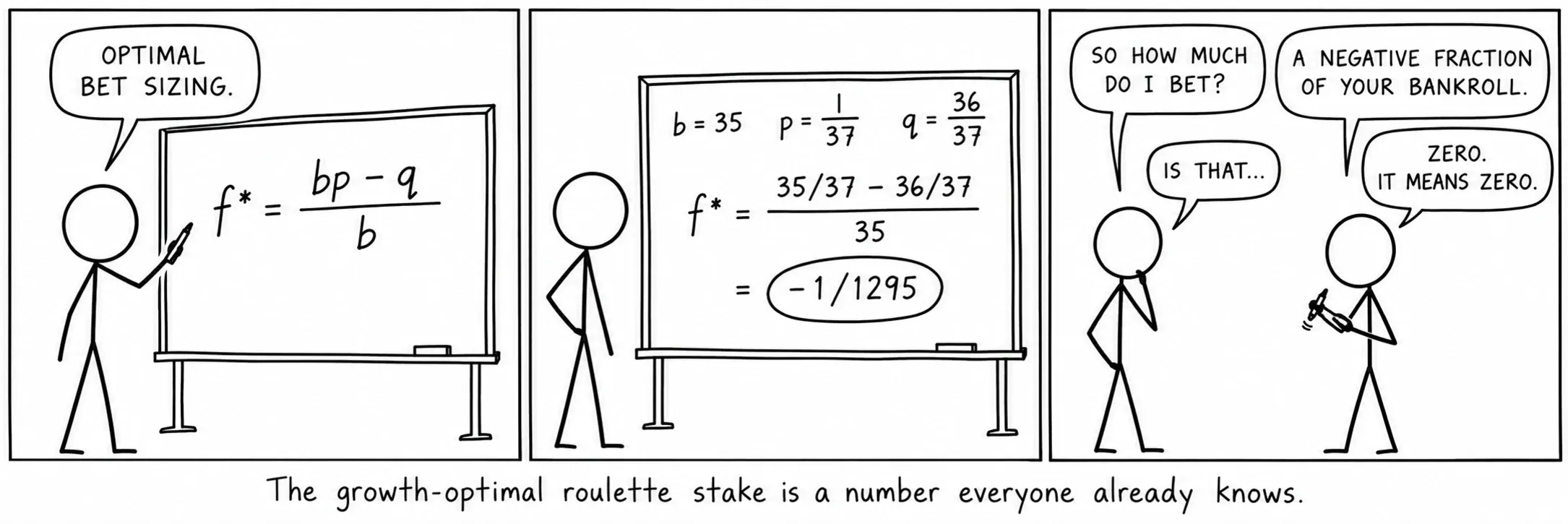
Ռուլետկայում աճի համար օպտիմալ գումարը մի թիվ է, որը բոլորն արդեն գիտեն։
Աղբյուրներ
- Kelly, J. L. “A new interpretation of information rate.”
- Breiman, L. “Optimal gambling systems for favorable games.”
- Thorp, E. O. “Optimal gambling systems for favorable games.”
- Thorp, E. O. The Mathematics of Gambling.
- Epstein, R. A. The Theory of Gambling and Statistical Logic, 2nd ed.
- Taylor, D. G. Games, Gambling, and Probability: An Introduction to Mathematics, 2nd ed.
- Ethier, S. N. The Doctrine of Chances: Probabilistic Aspects of Gambling.
- Haghani, V. & Dewey, R. “Rational decision-making under uncertainty: observed betting patterns on a biased coin.”